

What’s Your Recycling Knowledge?
How much do you know about contaminated recycling?
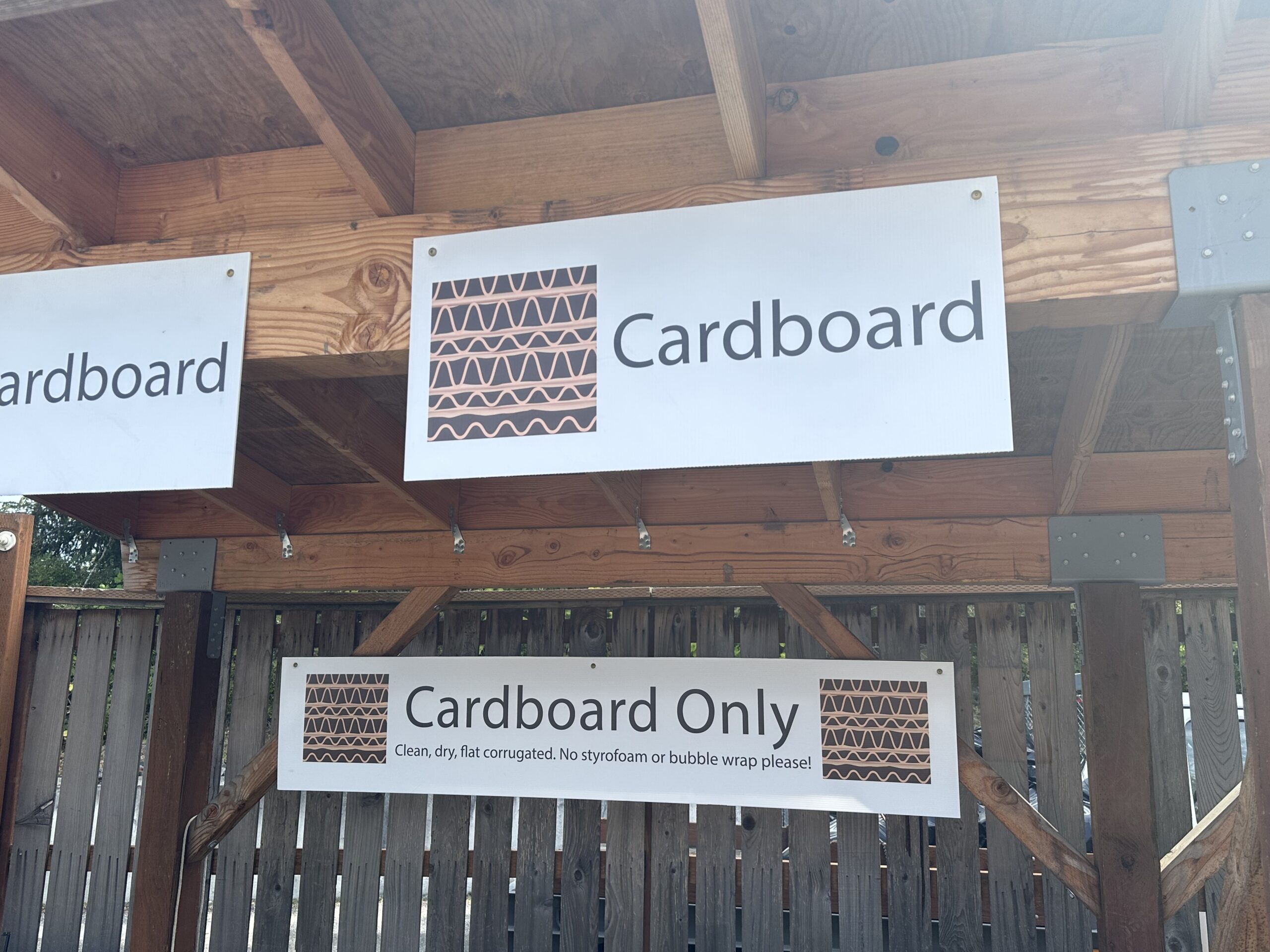
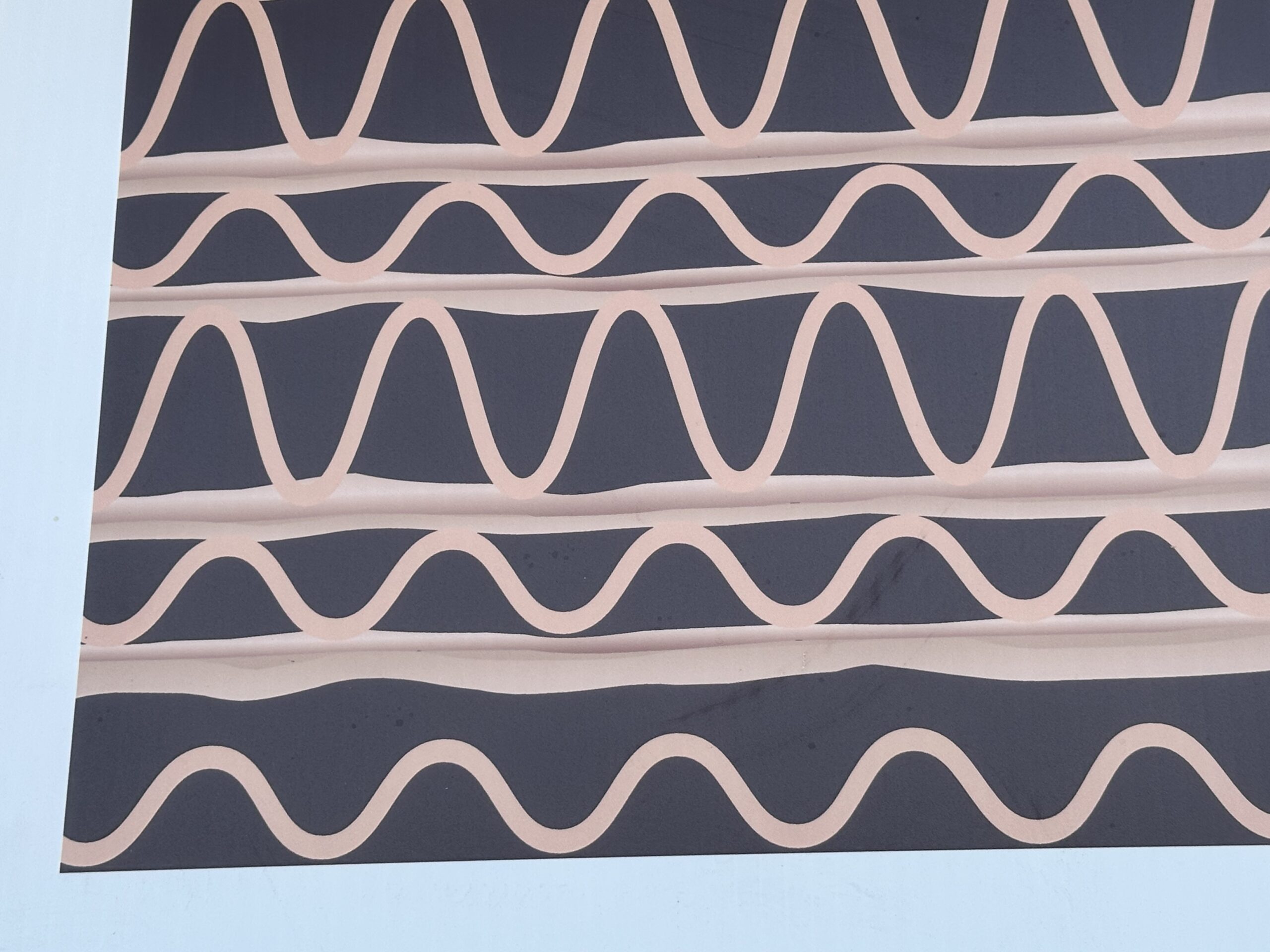
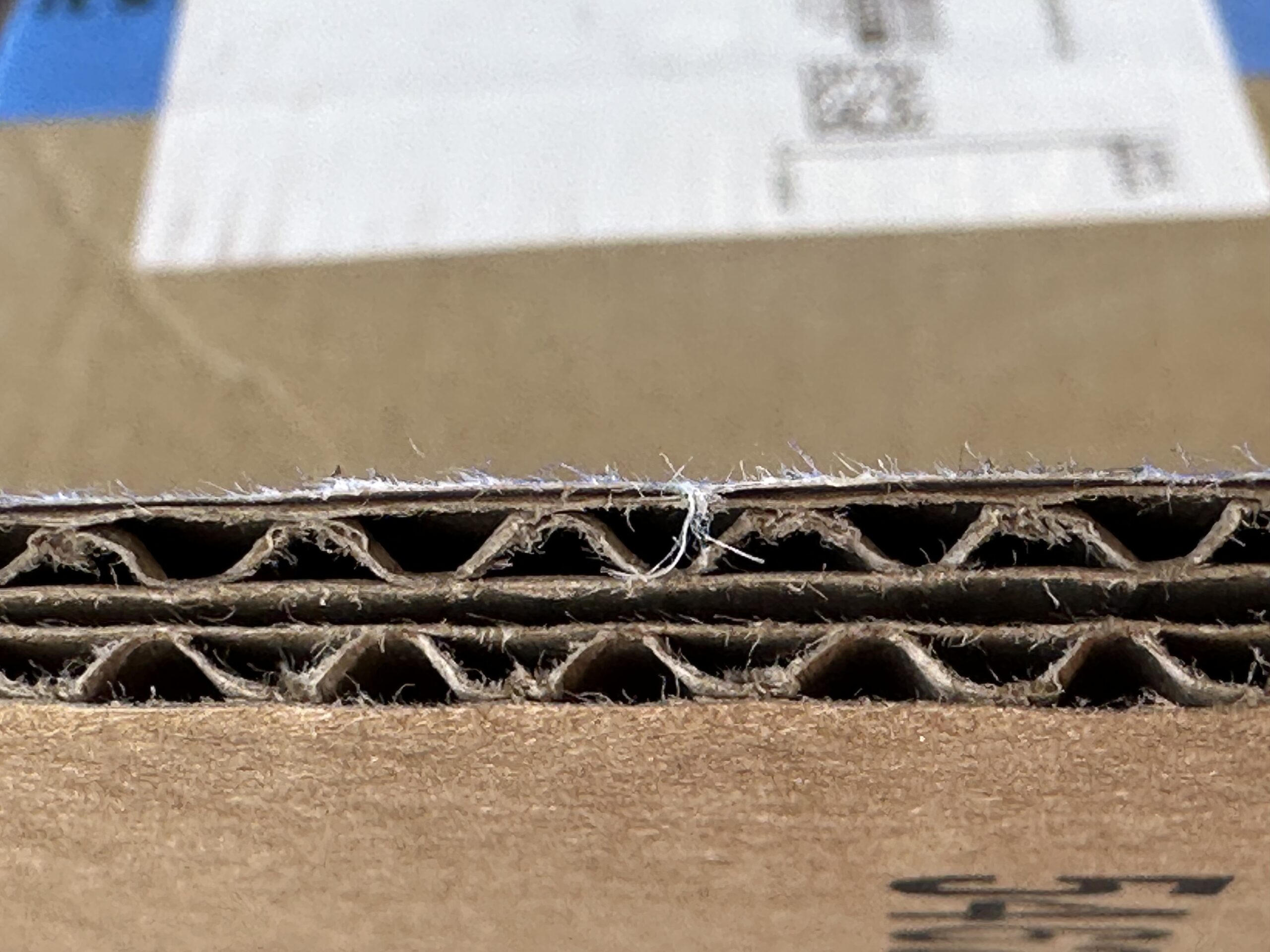
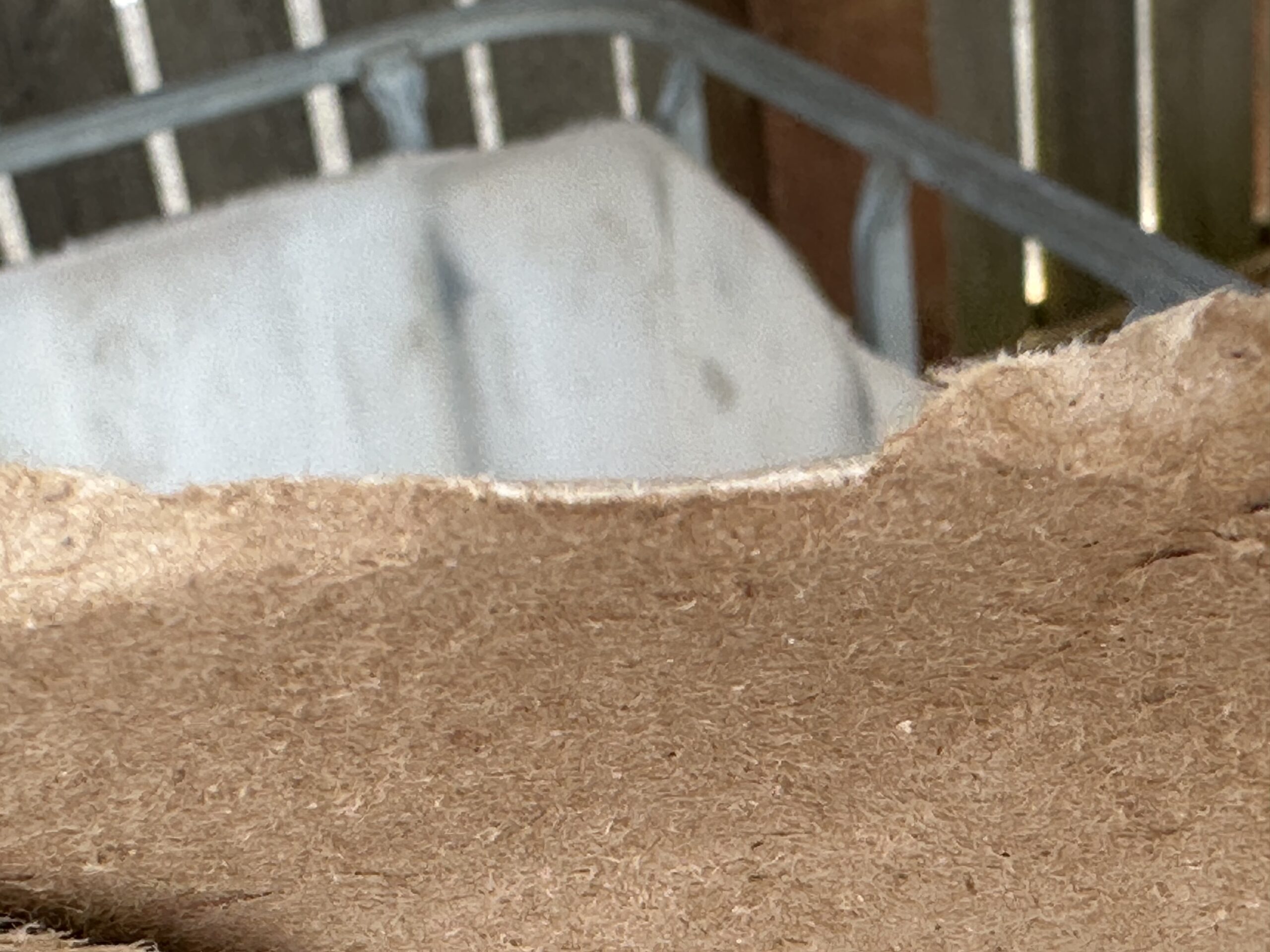
What is distinctive about “corrugated” cardboard? What other kind of cardboard is there?
If you look at the edge straight on, you will see little “ripples” that indicate corrugation.
We refer to other types of cardboard as “cereal box” cardboard. An easy way to discover which is which is to tear an edge and look for the ripples you will see with corrugation—you will not see that with cereal box cardboard.
The business that takes our bales of cardboard only wants corrugated cardboard. We only want corrugated in the bins, or else it can be designated as “contaminated” and has less value.
If there is a volunteer docent working and you’re unsure, just ask! They will be glad to help you make the right choice, and really appreciate the fact that you cared enough to ask for help.
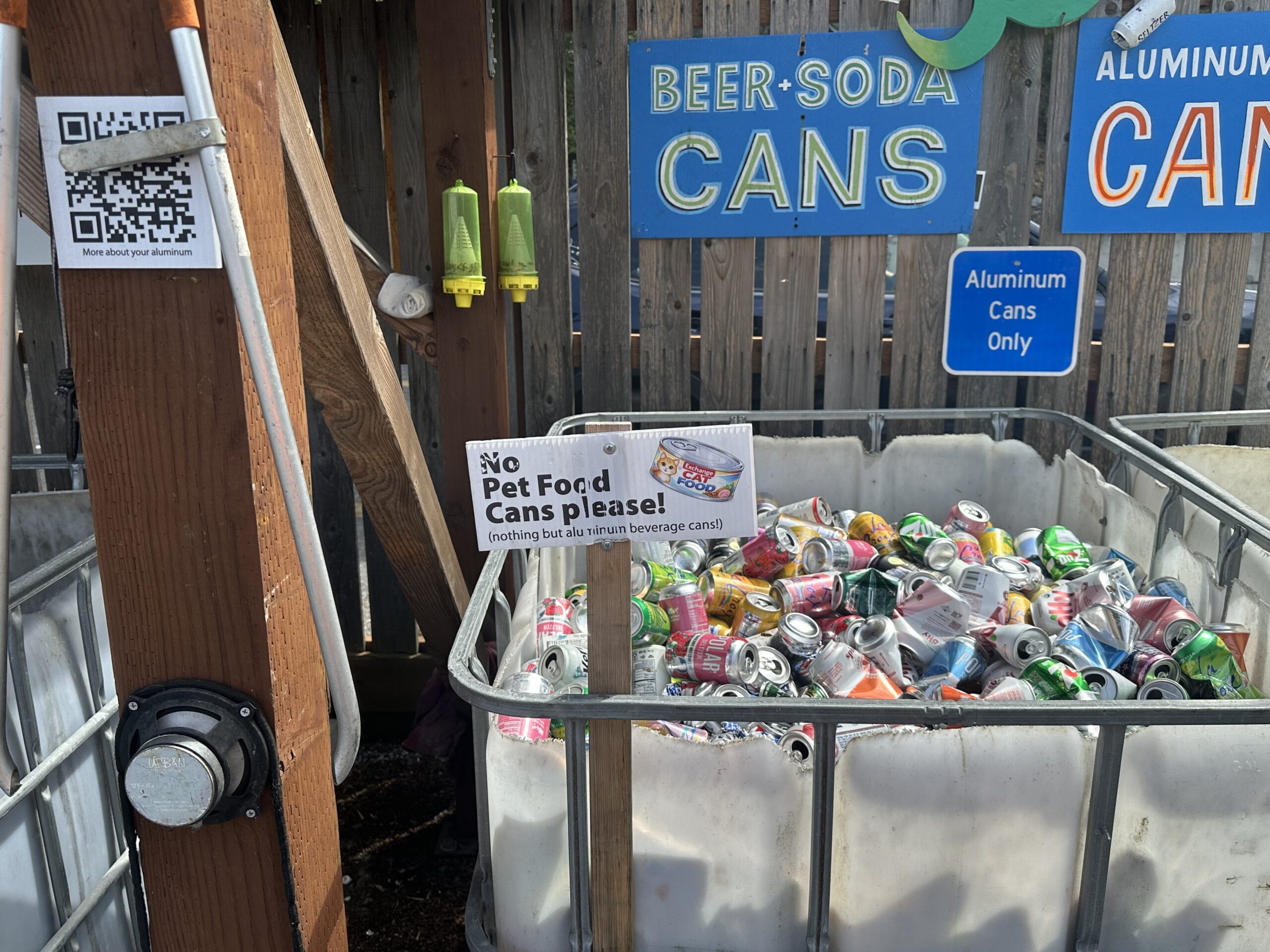
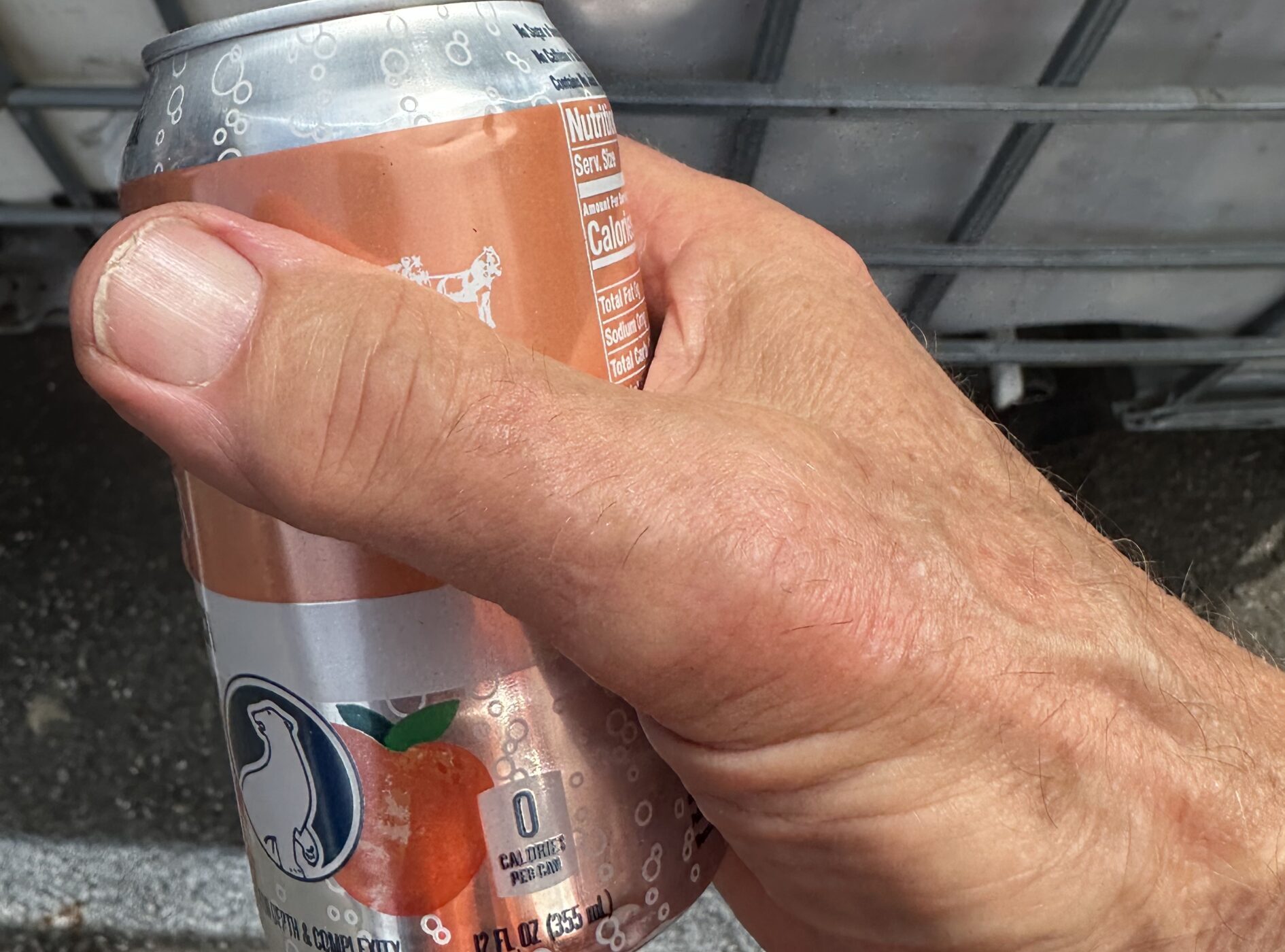
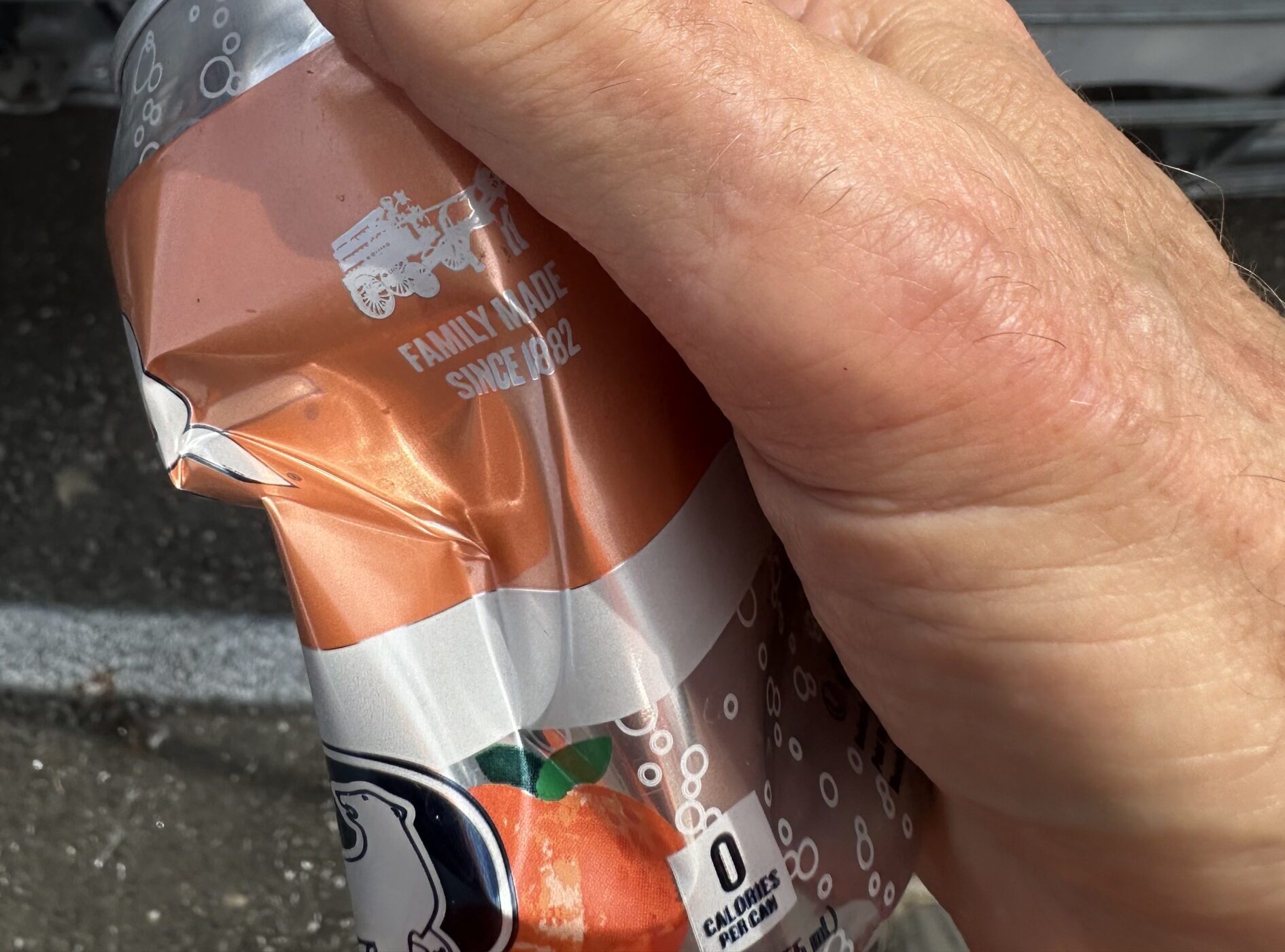
The aluminum can bins are clearly marked “aluminum beverage cans ONLY“. A common contaminant in those bins are Coconut Water cans, some of which are steel, and therefore are a contaminant.
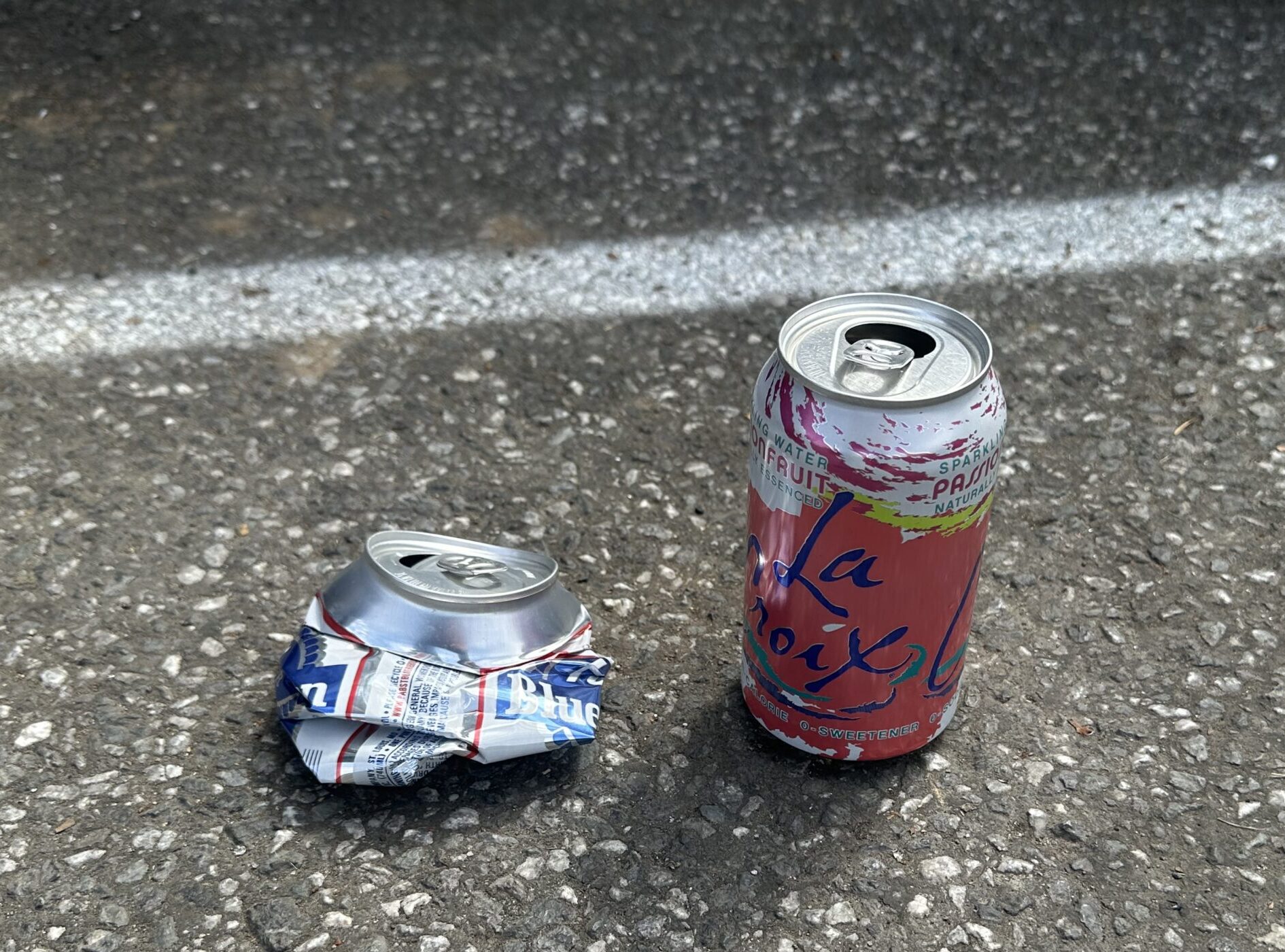
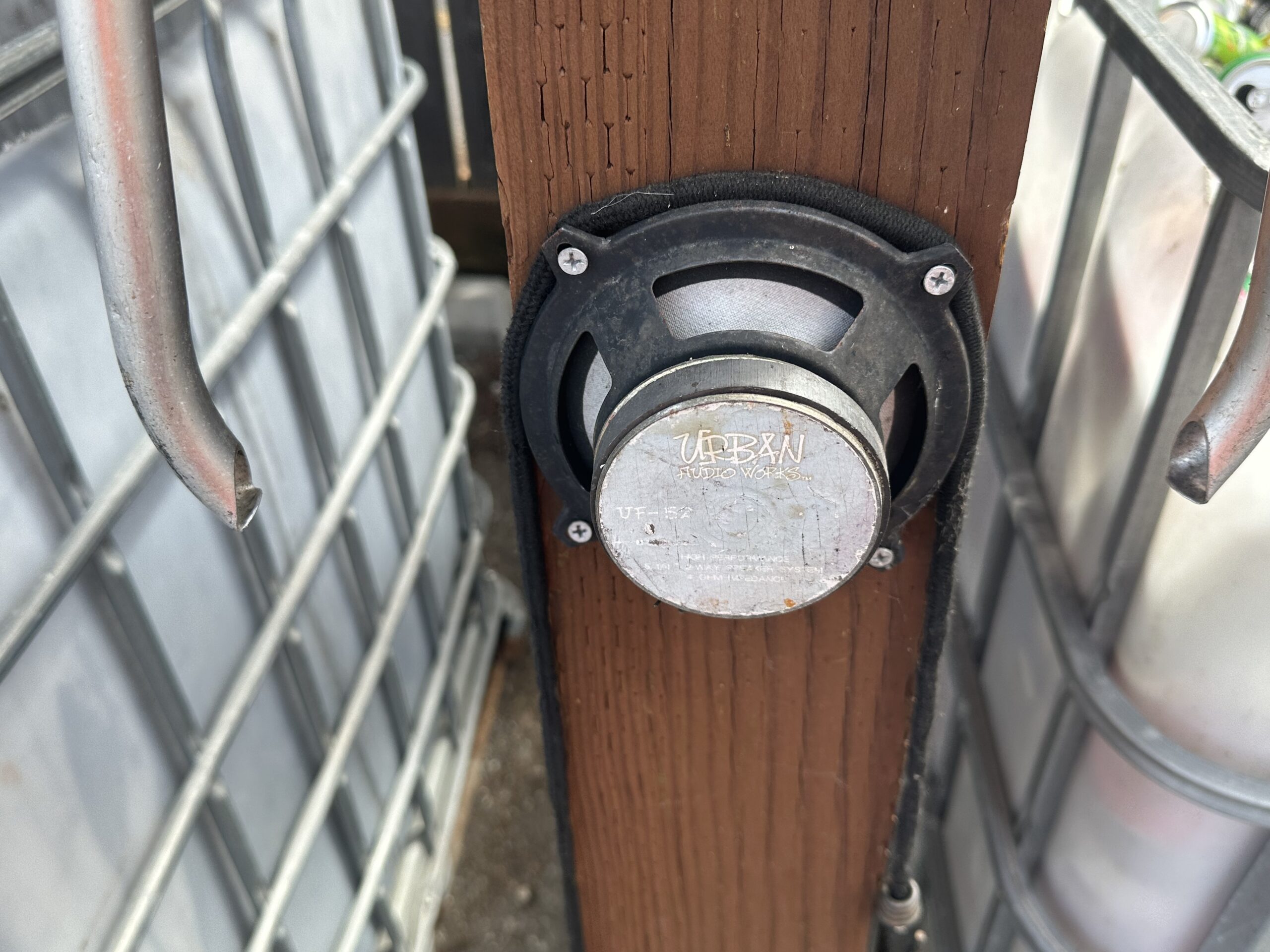
How can you tell if a can is aluminum or steel? If the can crushes easily in your bare hand, it is aluminum; if not, it is steel. We also have a big magnet mounted on the pole beside the bins so you can test the can yourself – if it is steel, it sticks to the magnet; aluminum falls off.
ALUMINUM RECYCLING TIP: We prefer customers bring aluminum beverage cans intact and UNflattened. When they are flattened (crushed like a “hockey puck”) they do not mesh together as well when they are put into the baler. If you don’t have room at home to store them intact, we’ll still take them as “hockey pucks” – one way is just better than the other.
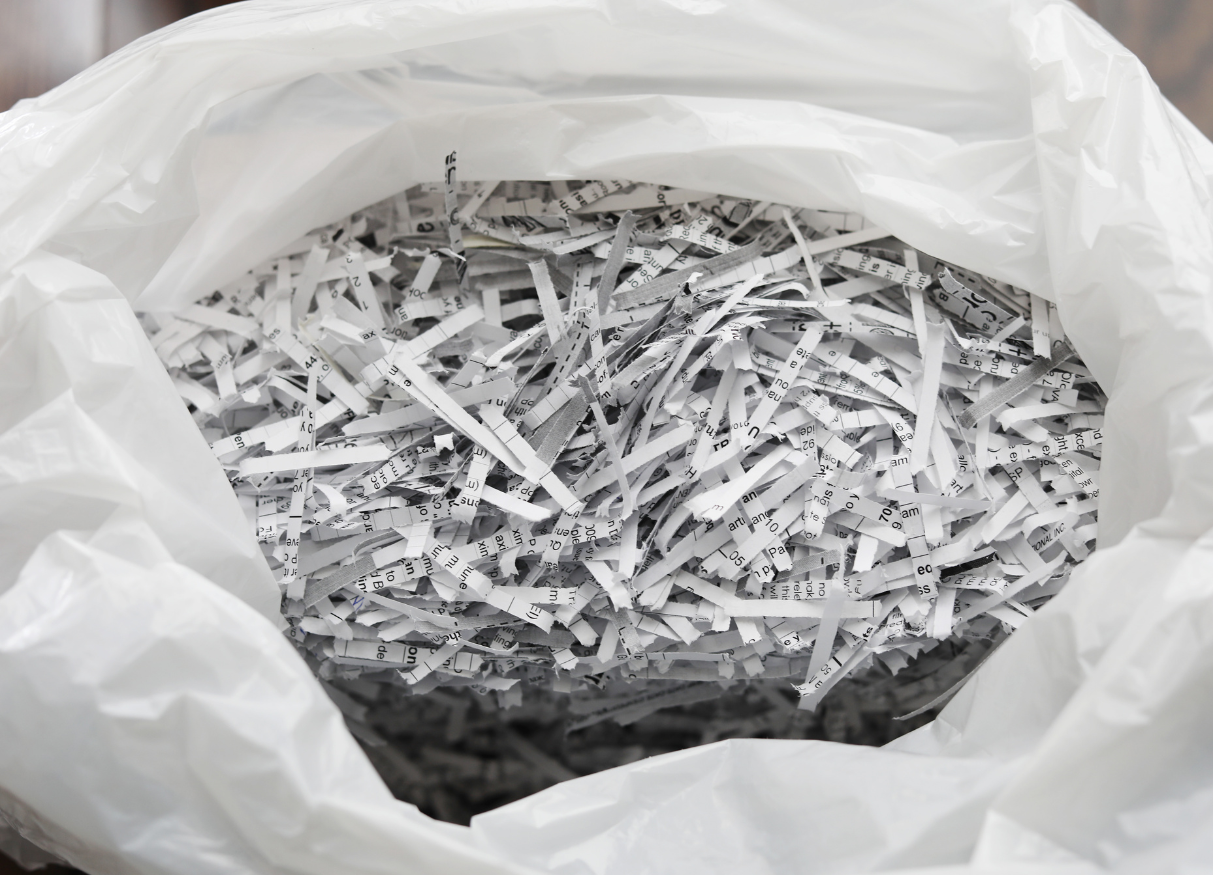
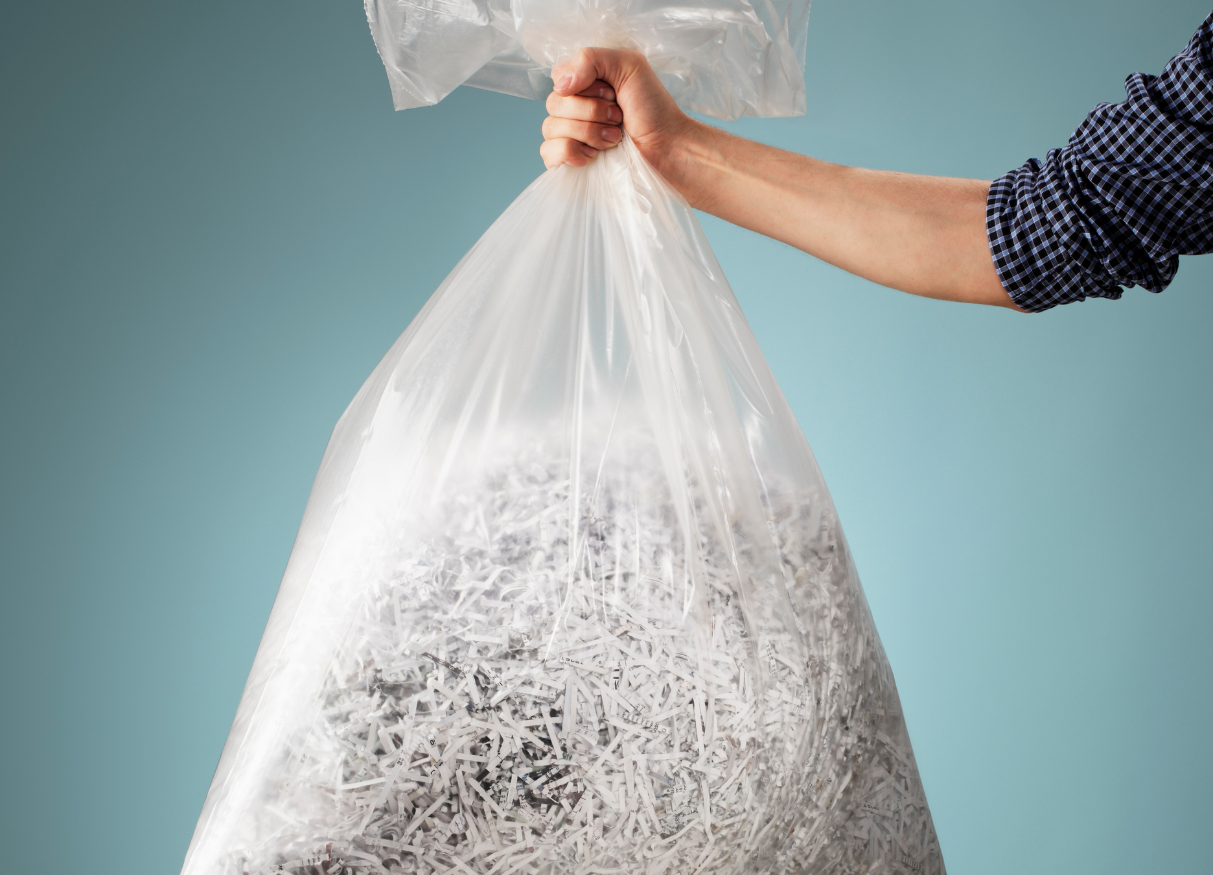
Most customers would likely think shredded paper goes into mixed recycling, but it doesn’t!
Dumping loose, shredded paper into the mixed recycling bin will make a mess at the Material Recovery Facility and could possibly make the entire bin of mixed recycling considered trash. And since plastic bags cannot be put into mixed recycling, shredded paper has to go into the trash. To dispose of shredded paper correctly, put the shredded paper into a bag, make sure it’s sealed, and then put the entire bag and contents into the TRASH bin.
Our docents are all volunteers and care about doing their duties correctly. They also enjoy greeting and helping our public, and really appreciate when you ask for help. They are not the “recycling police”, but are more teachers or explainers. If any of you reading this would like to help out, please let us know and we’ll get you started as a docent.